


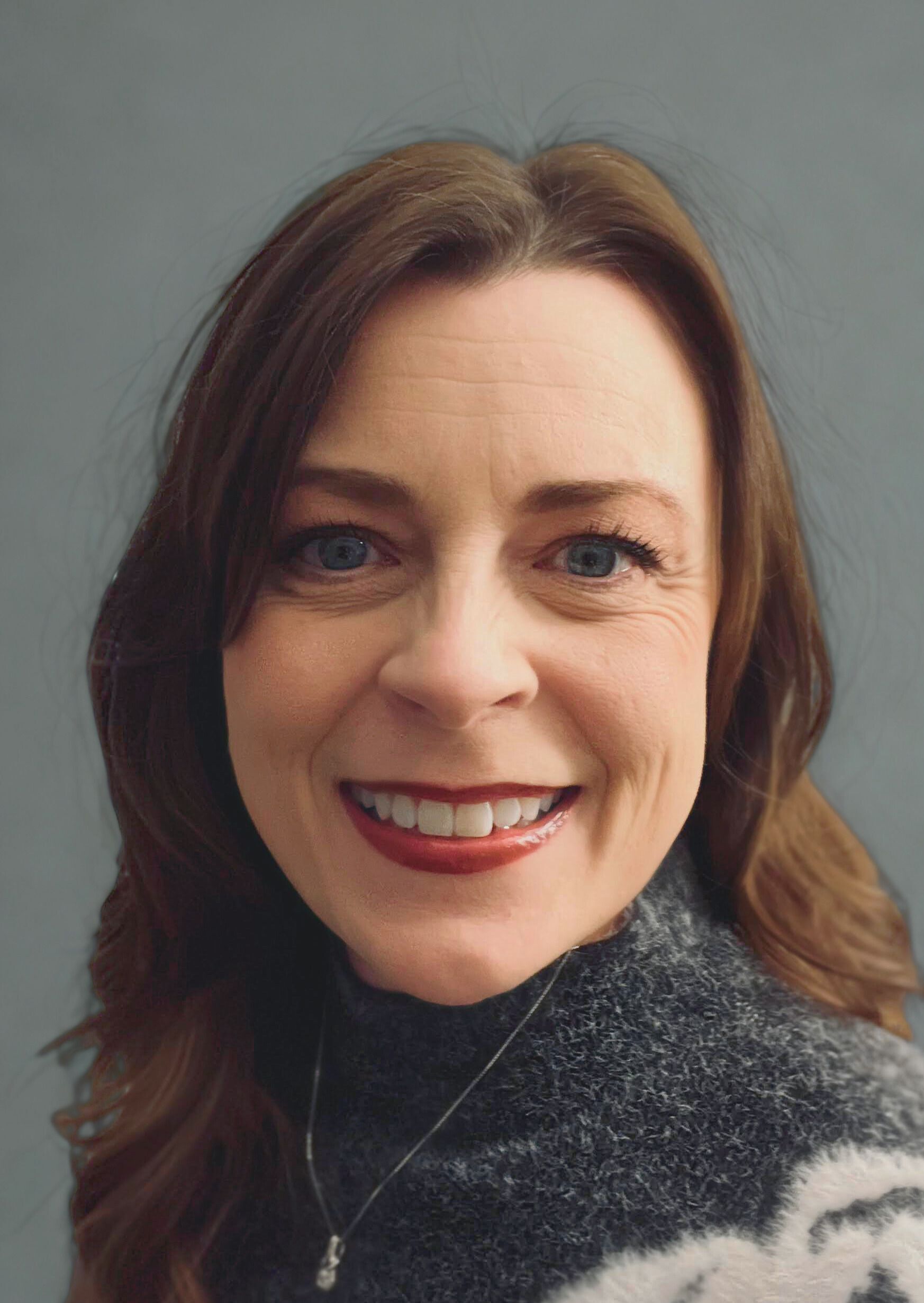
Sit down with our new MOHR president, Julie Zbaracki, to learn more about her career, vision for MOHR, and what we can expect going into the 2027 legislative session.
For those who are not acquainted with you, what is your current position, organization, and region?
Since 2019, I have been CEO of Partnership Resources Inc. (PRI) in Hennepin County, Region 10.
Why and how did you get involved with disability services?
I landed in disability services and had the opportunity to really grow into the field as my career progressed. The longer I stayed, the more I understood the impact our services have in someone's life. My focus has really become how we can support people with disabilities, their families, and the community.
Can you describe some of the accomplishments of your organization under your leadership?
I have been at Partnership Resources for 27 years and CEO since 2019. During that time, we have faced unexpected challenges, but we have stayed centered on the mission that started the organization in the 1960s. Helping people with disabilities find their place in the community drives our mission. As we approach new challenges, we focus on the people we serve, community and employment opportunities, and supporting them in leading meaningful lives.
What makes MOHR’s mission meaningful to you?
I have been lucky to have career-long involvement with coalitions. One benefit has been connecting with others who share similar experiences, jobs, and organizations, and who understand our day-to-day work. Our challenges are complex, but MOHR members help each other navigate them and face large-scale issues as a group. Together we are stronger than any one person can be. Together we work to make a difference in services across Minnesota.
Our member organizations support people to engage in their communities - what's one of your favorite things to do when you are out in your community?
I am a bit of a foodie. I enjoy finding a restaurant in my neighborhood and meeting friends and family members for a meal. Being near water has also always been important to me. I like to be somewhere I feel welcomed by familiar faces.
MOHR president terms last for two years. Where do you hope to see MOHR going over the course of your term?
We are entering a challenging time. I aim to protect MOHR's reputation as a clear, practical, trusted voice for disability services in the State. I also want to expand connections among MOHR members and strengthen diverse representation within the coalition. Within MOHR, it is important to broaden representation across ages, backgrounds, cultures, regions, and lived experiences. By coming together to navigate shared challenges, MOHR will help members through uncertainty.
What challenges do you see on MOHR’s horizon, and how do you plan to help MOHR navigate?
There are several challenges ahead. Funding pressures are likely to continue and could worsen. Workforce shortages, low wages, and the challenge of finding dollars for a competitive living wage are also concerns. Regulatory changes and service access issues could become more challenging. At the forefront of MOHR’s response will be to limit the negative impact on the people we serve. Individual progress does not compare to what we can achieve when we address shared problems together. I hope to create more ways for members to feel connected and move in a common direction.
In your introductory letter, you said that “The value of MOHR is in the ongoing connection”. How do you plan to invest in connection?
For members who may not be as engaged, I want them to know there are opportunities. It does not need to be a board role; even bringing topics to region meetings makes an impact. People do not have to be involved in everything. Find one way to get involved or challenge your organization to find one more. Look for one new way to strengthen MOHR as a whole. I am also focused on creating everyday connections. I want MOHR members to feel they can pick up the phone and talk with fellow members. As a coalition, it is our responsibility to foster this collaborative, supportive environment.
Your letter also included a call to action for member organizations. Which areas do you feel need the most increased member participation right now?
We need more sharing of real stories. Members should be ready to share the impacts of services and the challenges they face with legislators, so we, as a coalition, can bring them forward. We also need more representation across regions, service models, and lived experiences, and we should consider younger representation. I started in the field as a young person and learned a lot through coalitions. Look within your organization for people who are interested and stepping up. Who could be your future leaders? Bring them to region meetings. I would not have the experience I have today if I had not started engaging with other organizations 20-plus years ago.
What can people expect from you going into the next legislative session?
Going into the next legislative session, I am staying engaged, being practical, and focusing on membership needs. I want to make sure providers feel supported and receive the information they need in a timely fashion to respond and participate. It starts now, and it lasts all year. We hope to fine-tune channels to get information out and prepare members to react quickly.
Do you have any words of inspiration?
The work that we do as organizations really matters, and coming together within MOHR helps us connect, speak up, and keep moving forward. There is a huge benefit to each member in that process. Together we are stronger.
